Listings may include trips elsewhere in Kenya. Check the provider’s full route for Tsavo East or Tsavo West before booking.
Start with the shape of the land. A photograph of an elephant can identify a memorable moment, but it cannot explain where that moment happened or how a day through Tsavo East fits together. A useful plan gives the landscape a place alongside the animals, with enough flexibility to pay attention when a scene becomes interesting.
Give the names a place
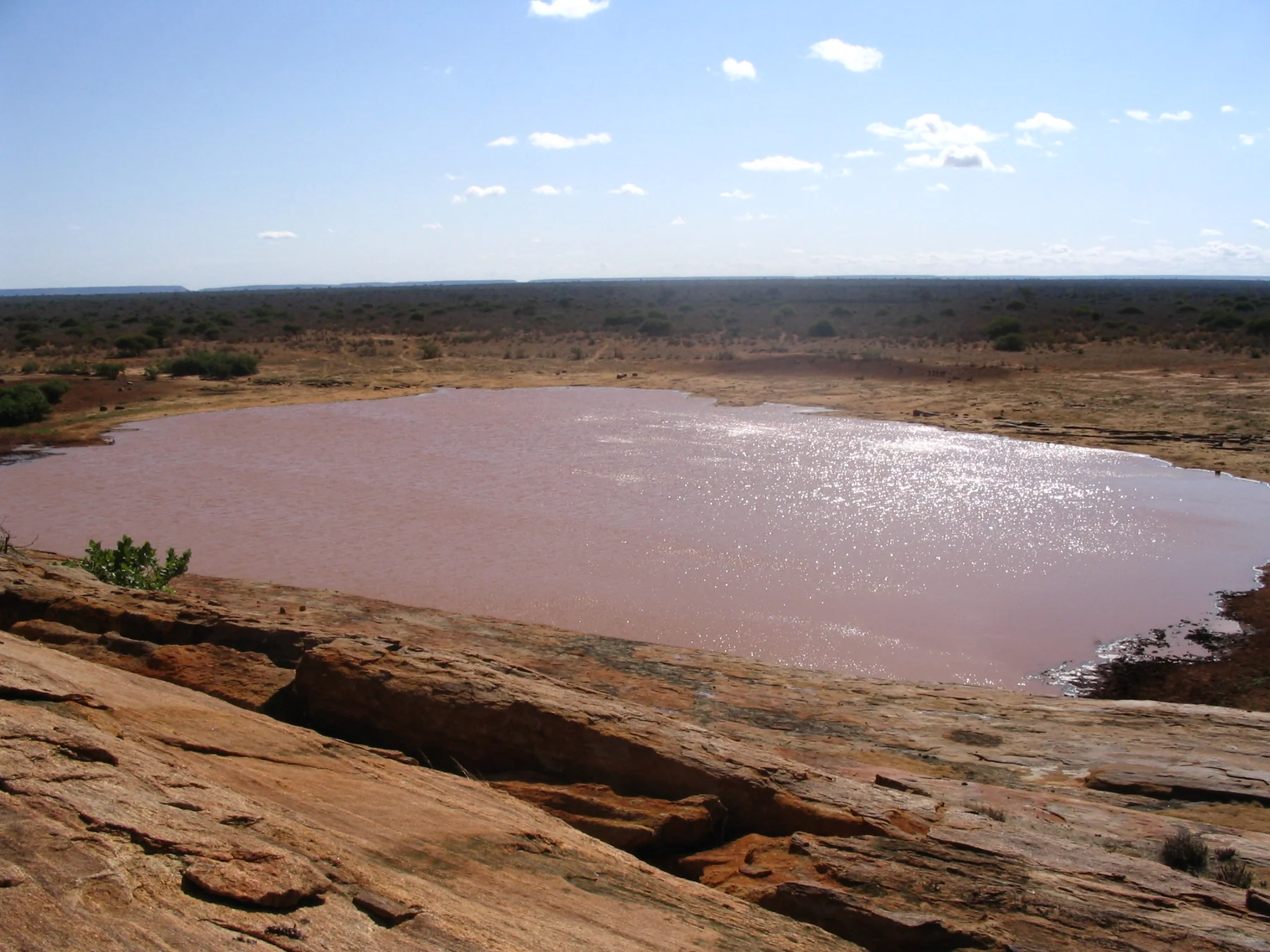
Kenya Wildlife Service identifies the Galana River, Yatta Plateau and Mudanda Rock among the park’s defining landscapes. Treat those names as different subjects rather than interchangeable stops. A river view asks you to notice its edges; a plateau changes the distant outline; exposed rock brings surface and scale into the foreground.
Choose one landscape you especially want to understand, then discuss a feasible route with your guide or operator. Ask which entrance and overnight base support that plan. A long list of place names is less useful than knowing which are realistic within the journey you have actually booked.
Look at the whole frame
The small choices in a photograph can make the landscape easier to remember. Include a horizon, vegetation or a stretch of red ground around the subject. That context helps distinguish an animal photograph made here from one made somewhere else. Keep a few notes about the actual location rather than assigning a familiar attraction name later.
- Notice the relationship between open ground and denser cover.
- Record a broad view as well as a close photograph.
- Ask before identifying a distant landform.
- Keep the time and place attached to your own photographs.
Leave room in the day
Build your expectations around observation, not a promised list of species. A quiet period is still time spent seeing terrain, light and movement. Avoid treating the absence of a particular animal as a failed visit, or pressing a guide to make an unsuitable approach for a picture.
Before departure, confirm current park instructions and the arrangements for permitted stopping places, meals and the return journey. Keep those practical questions separate from the images used to advertise an excursion; a photograph does not establish its current itinerary or inclusions.
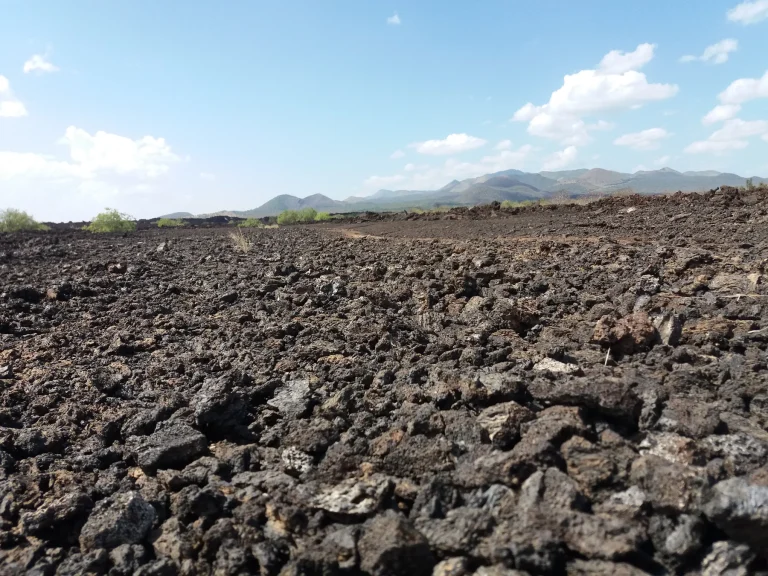
For a contrasting setting, read about Mzima and lava in Tsavo West. Our base-selection guide turns those interests into questions to ask before booking. The factual landscape reference is the KWS Tsavo East page; check it again for current visitor information.